


Introduction
Artificial Intelligence and Machine Learning are no longer futuristic concepts; they are part of our daily lives. From voice assistants and personalized recommendations to smart homes and autonomous vehicles, AI and machine learning are quietly transforming the way we live, work, and interact with the world. In this article, we explore the role of AI and ML in everyday life and what exciting innovations lie ahead.
Voice Assistants: AI at Your Command
Voice assistants like Amazon’s Alexa, Google Assistant, and Apple’s Siri have become a ubiquitous part of modern life. These AI-powered assistants use machine learning algorithms to understand natural language commands, allowing users to perform tasks hands-free. Whether setting reminders, controlling smart home devices, or searching the web, voice assistants make daily life more convenient. As machine learning improves, voice assistants are becoming more intuitive, capable of handling complex requests and learning from user behavior to provide personalized responses.
AI in Smart Homes: Enhancing Daily Living
AI and machine learning have brought significant advancements to the concept of smart homes. Smart devices, such as thermostats, lighting systems, and security cameras, can learn from user preferences and patterns to automate various tasks. For example, AI-powered thermostats can adjust the temperature based on your schedule, while smart lighting systems can turn lights on or off depending on occupancy. With machine learning, these devices continuously improve their efficiency, making homes more energy-efficient and secure.
AI in Transportation: The Future of Autonomous Vehicles
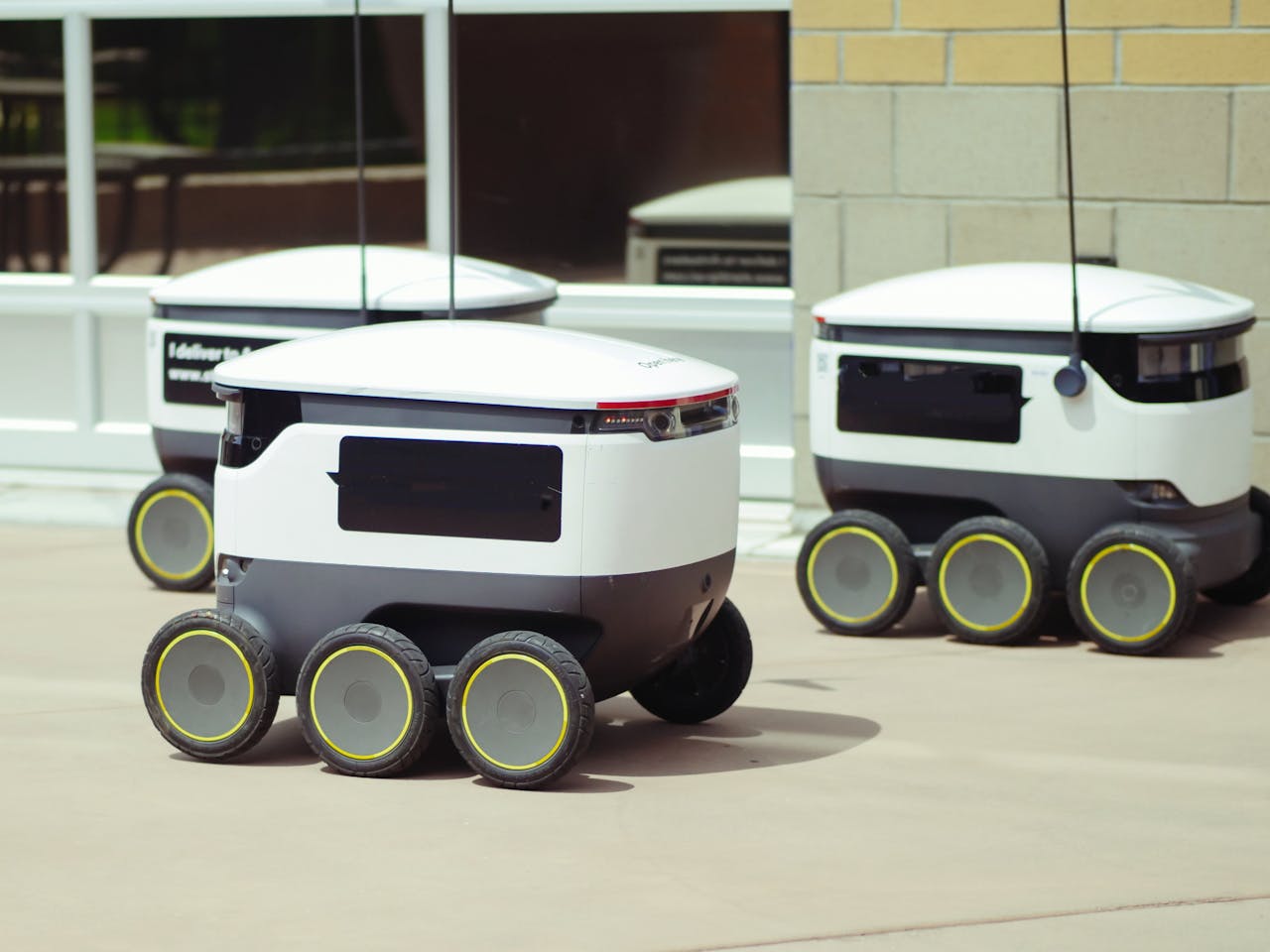
The transportation industry is on the brink of a revolution, thanks to AI and machine learning. Autonomous vehicles, which rely on AI algorithms to navigate roads and avoid obstacles, are becoming a reality. Companies like Tesla and Waymo are leading the charge, with self-driving cars that use AI to analyze real-time data from sensors and cameras to make split-second decisions. As machine learning models become more sophisticated, we can expect autonomous vehicles to become safer, more efficient, and widely available, changing the way we commute and travel.
Conclusion
AI and machine learning have already embedded themselves into everyday life, from voice assistants to smart homes and autonomous vehicles. As these technologies continue to advance, their role will expand, offering even more convenience, efficiency, and personalization. The future promises exciting developments that will further transform our daily routines and enhance our interactions with the digital world.