


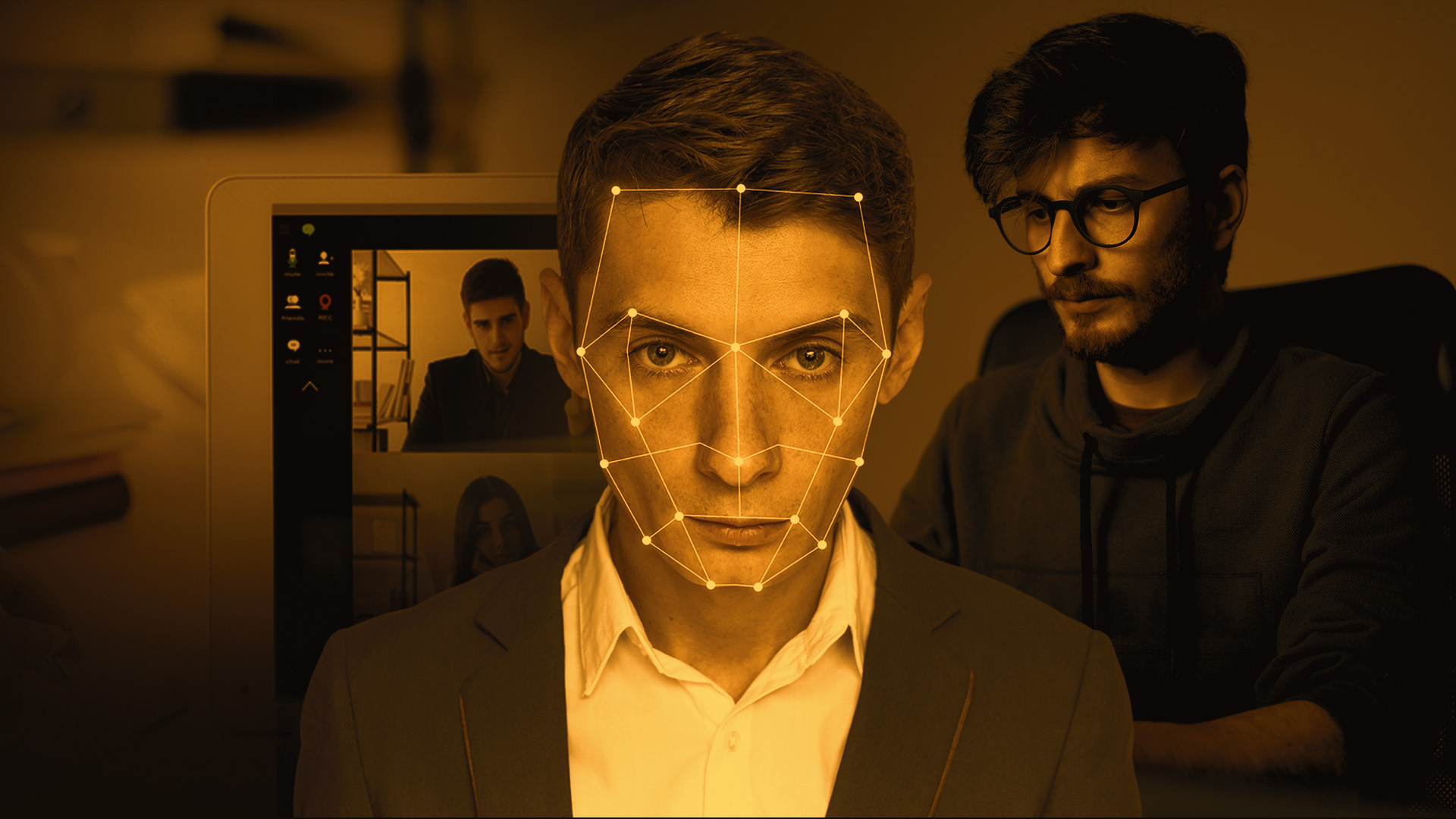
Social engineering attacks are becoming more advanced due to synthetic media tools. Attackers create realistic audio and video to deceive unsuspecting employees. Traditional security training does not prepare staff for these realistic scams. Organizations must implement modern simulation programs to protect their assets.
Advanced analysis tools help security teams verify the authenticity of files. Using these platforms protects your network from sophisticated phishing attempts. Hosting a regular Deepfake Tabletop Exercise teaches your workforce to recognize and report manipulated media files safely.
Stopping Identity Theft with a Deepfake Tabletop Exercise
Simulation sessions show employees how fraudsters mimic executive management online. Staff members see firsthand how easily digital identities face manipulation. This experience teaches workers to question unexpected or urgent financial requests.
Developing a culture of healthy skepticism prevents successful corporate wire fraud. Employees learn to use secondary communication channels to confirm unusual orders. Verification steps ensure that company funds remain secure against identity theft.
Spotting Vulnerabilities Using a Deepfake Red Team
An expert testing group checks your human defenses by launching simulated attacks. These specialists use tailored media files to see if employees follow safety rules. This process highlights which departments are most vulnerable to deception.
A professional Deepfake Red Team provides detailed insights into human operational behaviors. Understanding these patterns allows managers to improve security protocols. Fixing behavioral vulnerabilities stops attackers from exploiting your staff.
Analyzing Threat Strategies with a Deepfake Red Team
Testing specialists look closely at the emotional triggers used in media scams. Fraudsters often create false urgency to bypass standard approval steps. Analyzing these tactics helps your team design better defense policies.
Stronger controls ensure that high-value transactions always require multiple approvals. Removing single-person approval loops protects the firm from major losses. Security policies must evolve to counter modern psychological manipulation.

Hardening Communication Assets via a Deepfake Red Team
Specialists test your internal chat and video platforms for security gaps. They determine if external users can inject manipulated files into meetings. Securing these platforms prevents corporate espionage during sensitive discussions.
Upgrading access rules keeps unauthorized parties out of private meetings. Encrypted channels ensure that corporate conversations remain completely confidential. Protecting your infrastructure keeps your strategic plans safe from competitors.
Elevating Corporate Defense Standards with a Deepfake Red Team
Collaborating with security experts keeps your defense infrastructure ahead of threat actors. These specialists provide the technical knowledge needed to counter advanced synthetic media. Combining automated detection tools with expert guidance creates a resilient corporate network.
Regular security audits show executive boards the value of modern threat tools. Investing in advanced analysis platforms protects the long-term future of the enterprise. Safe operations build lasting value for shareholders and clients.
Optimizing Incident Response with a Deepfake Tabletop Exercise
Simulation events allow incident responders to practice coordinating under pressure. Teams learn to contain a media breach before it affects public networks. Quick containment protects corporate data and minimizes brand damage.
Refining your response playbook ensures smooth execution during a real crisis. Clear roles prevent confusion among IT, legal, and public relations teams. Efficient coordination allows your business to resolve incidents quickly.
Protecting Customer Trust via a Deepfake Tabletop Exercise
Media scams can target customer databases using fake brand announcements. Simulations help marketing teams prepare clear verification messages for clients. Giving customers fast access to truth preserves brand loyalty.
Clear communication proves that your company values data security and transparency. Customers remain loyal when they see a brand handle emergencies professionally. Preparation ensures your reputation survives digital identity attacks.
Upgrading Security Culture Through a Deepfake Tabletop Exercise
Measuring employee engagement during simulations helps build a safer workplace environment. Staff members become active participants in protecting company assets. An alert team spots digital anomalies faster than software alone.
Shared responsibility creates a durable shield against social engineering scams. Regular practice ensures that safety habits remain part of daily work routines. A strong security culture is essential for modern business success.
Conclusion
Synthetic media tools require organizations to upgrade their social engineering defenses. Businesses must use advanced detection software alongside practical simulation events. Regular testing keeps your workforce prepared for sophisticated identity scams. Protecting your communication channels ensures operational safety and brand integrity.
Advanced analysis platforms provide the deep insights needed to find altered files. Combining technical tools with employee awareness creates a secure business ecosystem. Invest in regular security testing to keep your company safe.
Deepfake Tabletop Exercise Frequently Asked Questions
Q1: How does social engineering use synthetic media?
A: Attackers use fake voice and video files to impersonate company executives. They trick employees into sharing secrets or sending money.
Q2: What does a Deepfake Red Team look for?
A: They look for weak points in employee training and software filters. Their findings help you secure your network against realistic scams.
Q3: How do we build a strong security culture?
A: Conduct regular threat simulations and provide clear verification guidelines. Encourage employees to report suspicious media files immediately.
