


Introduction
In the rapidly evolving business landscape, AI and machine learning have become powerful tools for companies looking to gain a competitive edge. From automating routine tasks to providing insights through data analysis, AI and ML are revolutionizing how businesses operate. This article will explore how AI and machine learning are transforming various industries and what benefits they bring to businesses worldwide.
AI in Customer Service: Enhancing User Experience
One of the most visible applications of AI in business is in customer service. AI-powered chatbots and virtual assistants are now commonly used by companies to provide instant customer support. These chatbots use natural language processing to understand and respond to customer queries, offering personalized solutions in real-time. AI can handle multiple inquiries simultaneously, reducing wait times and improving the overall customer experience. As machine learning improves, these bots become smarter, capable of handling more complex interactions and learning from each conversation.
AI-Driven Marketing: Personalization at Scale
AI is also transforming the way businesses approach marketing. Machine learning algorithms analyze consumer behavior and preferences to create personalized marketing campaigns. AI can predict which products or services a customer is likely to be interested in, allowing businesses to deliver targeted ads and promotions. This level of personalization not only improves customer engagement but also boosts conversion rates. AI-driven marketing tools like customer relationship management (CRM) systems help businesses manage leads, track customer interactions, and optimize sales strategies, making marketing efforts more efficient.
AI in Supply Chain and Logistics: Optimizing Efficiency
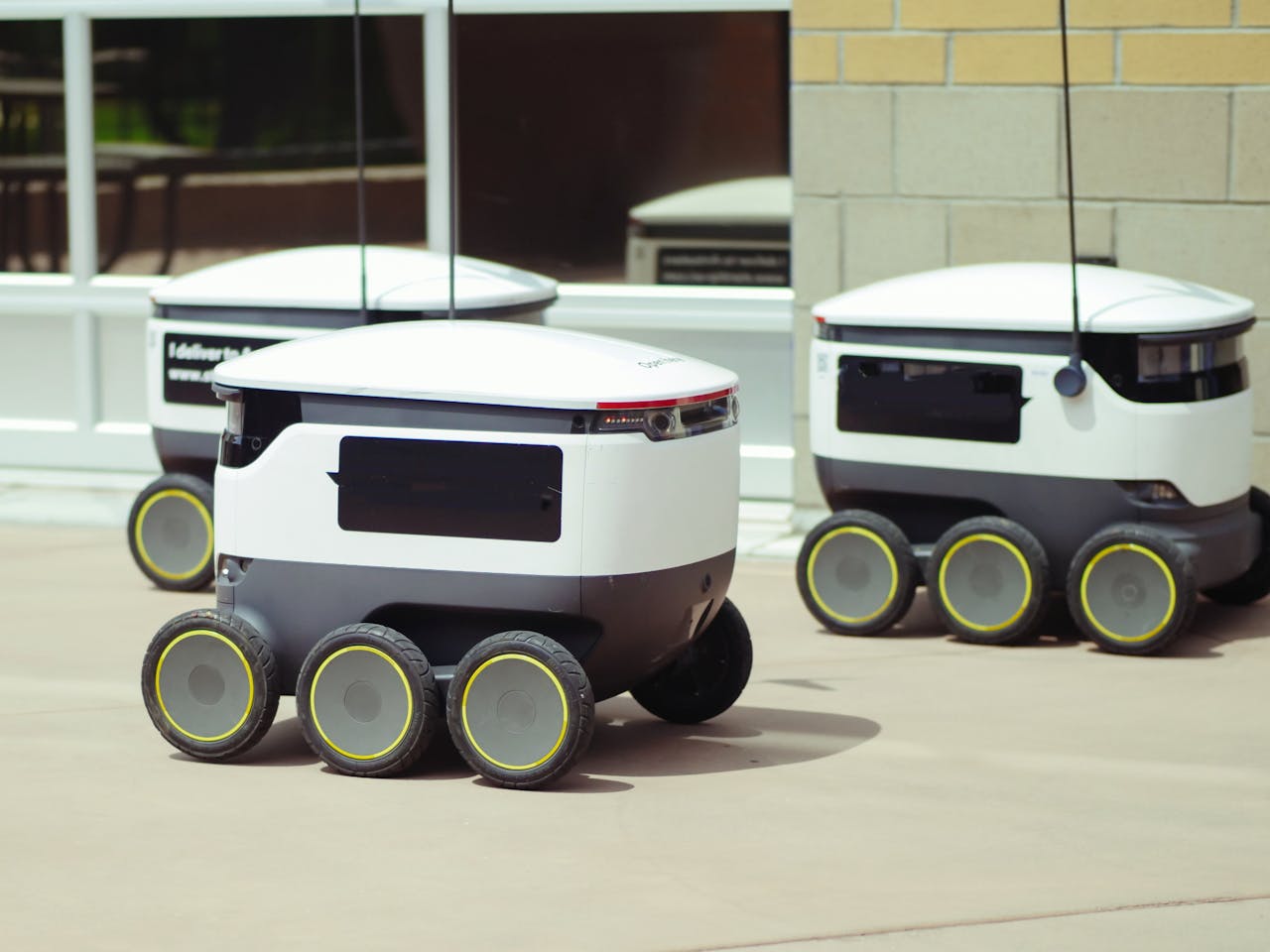
Supply chain and logistics management are critical areas where AI and machine learning are driving significant improvements. AI-powered systems can analyze data to predict demand, optimize inventory levels, and identify the most efficient shipping routes. These systems also provide real-time insights into supply chain operations, enabling businesses to make data-driven decisions. For example, AI can predict potential disruptions in the supply chain, such as delays or shortages, allowing companies to take preemptive action. This level of efficiency reduces operational costs and improves customer satisfaction.
Conclusion
AI and machine learning are revolutionizing businesses by enhancing customer service, personalizing marketing efforts, and optimizing supply chain operations. These technologies are helping companies streamline processes, improve decision-making, and increase profitability. As AI and machine learning continue to evolve, their role in business will only expand, offering new opportunities for innovation and growth.